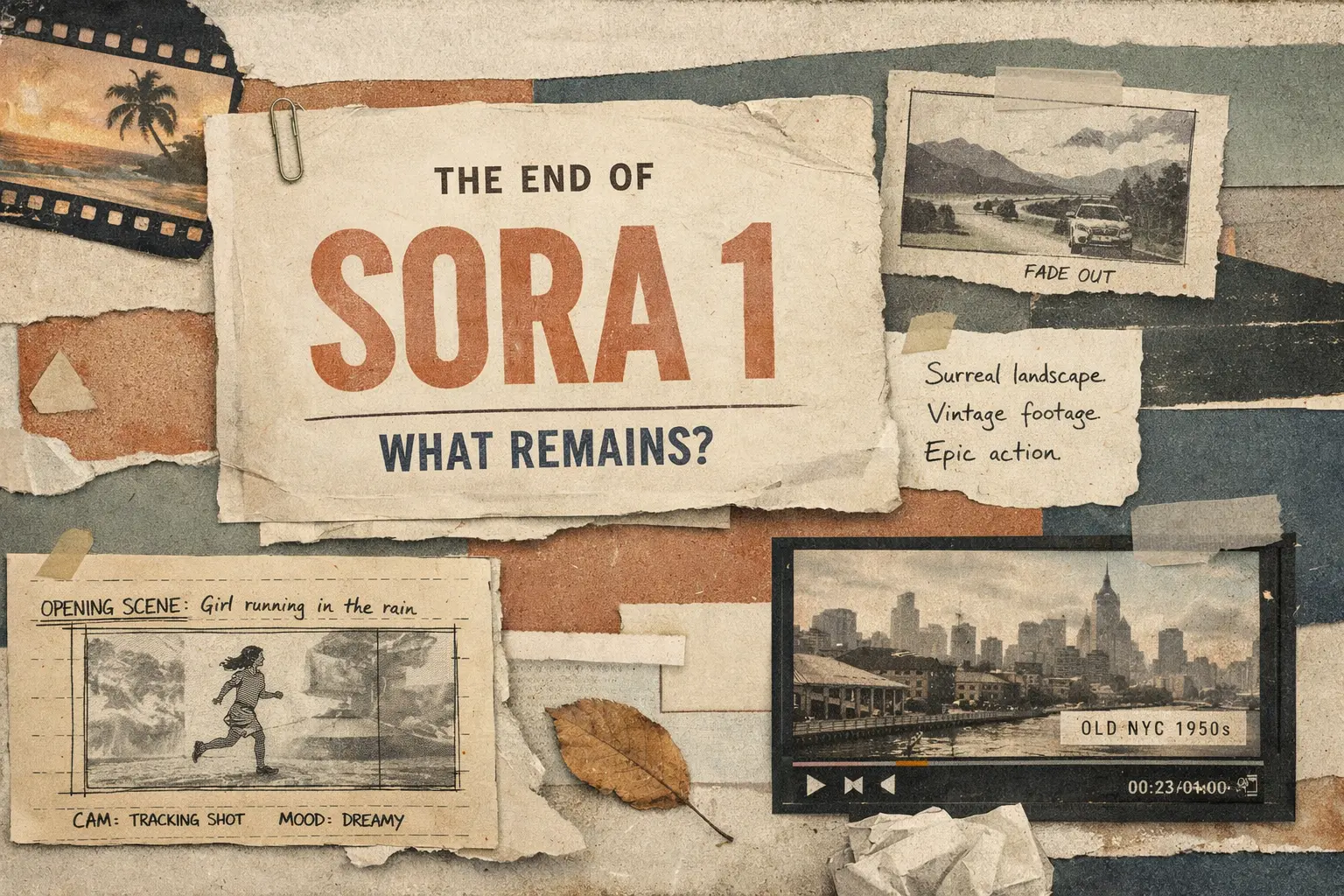
Sora 1 Ends. What Did It Leave Behind?
A clear look at Sora 1's sunset in 2026: what OpenAI actually shut down, how Sora evolved from the 2024 research preview to Sora 2, what it achieved, why the legacy version was retired, and why critics never fully stopped worrying about it.
OpenAI did not shut down Sora entirely. As of March 13, 2026, it retired `Sora 1` in the United States and moved users to a single default `Sora 2` experience. OpenAI says the legacy version depended on `older models and infrastructure`, while Sora 2 became the main path for web and app development. [1]
The main point in one minute
If you take only one idea from this article, let it be this: the end of Sora 1 is not the end of Sora. OpenAI removed the older layer because it wanted one newer product, one newer stack, and one clearer story for the user.
Sora 1 stopped being available in the United States on March 13, 2026, while Sora 2 became the default Sora experience. [1]older models and infrastructure, and the company wanted a single, updated experience powered by Sora 2. [1]What exactly is being shut down, and what is not
The first thing to clarify is the headline itself. If we stay close to the official wording, OpenAI did not shut down Sora as a whole. The company shut down Sora 1 in the United States on March 13, 2026 and moved everyone to Sora 2. [1]
The help center says this fairly directly. Sora 1 is no longer available in the US, Sora now opens in Sora 2 by default, and image generation inside Sora is no longer available after that change. [1] That last detail shows how tightly the first product was tied to the older stack.
The official explanation is also low drama: Sora 1 relied on older models and infrastructure, and moving to one product reduces complexity while giving OpenAI room to keep developing Sora 2 on both web and mobile. [1] This reads more like product consolidation than a loud funeral for a failed tool.
A short history of Sora, from research shock to product cleanup
Sora moved very fast. In a little over two years it went from a research preview that made the market stop and look, to a consumer app, and then to a legacy layer OpenAI was ready to remove.
Sora arrives as a research shock
In its research paper, OpenAI presented Sora as a model capable of generating up to a minute of high-quality video. But the bigger story was not just the length. It showed object permanence, longer scene coherence, camera motion, looping, video extension, interpolation, and a noticeably higher sense of consistency than the market was used to seeing. [3]
Sora becomes a real product surface
By the time Sora reached broader access, OpenAI was already presenting it as more than a model demo. AP wrote both about the release and the early limits around depicting people. That was a clear signal that the risk profile here was already very different from a normal image tool. [6]
Sora 2 changes the center of gravity
OpenAI described Sora 2 as more physically accurate, more realistic, more controllable, and able to generate synchronized dialogue and sound effects. It also launched through a new Sora app rather than just a web experiment. [4]
The app starts growing real product features
The release notes show how quickly the product grew: storyboards, cameos and later characters, stitching, styles, Android support, longer videos, image-to-video with people under stricter rules, and video extensions. [5]
Sora 1 becomes the legacy branch
OpenAI sunsets Sora 1 in the US, moves users to Sora 2 by default, and removes image generation from Sora itself. That is the moment when the original web-era Sora stops being the main product story. [1]
Summary
Sora did not have one life. First it was a research story, then a product story. Now only the second one remains.
What Sora actually achieved while it was still new
People often reduce Sora to 'that AI video tool that looked better than the others.' That is too shallow. What made Sora important is that it compressed several stages of the market's progress into one short stretch of time.
It made long video feel plausible
Back in 2024, the point was not just pretty clips. OpenAI was showing that large-scale video training could hold together minute-long scenes, different aspect ratios, looping, extension, and more coherent multi-shot outputs than the market was used to. [3]
It pushed world-model talk into the mainstream
It turned video generation into a product, not just a demo
It moved faster than public trust did
What changed when Sora 2 took over
The easiest way to understand the sunset is a direct comparison between Sora 1 and Sora 2. The name stayed the same, but the product logic did not.
| Comparison point | Sora 1 / original web era | Sora 2 / current direction |
|---|---|---|
| Core identity | Legacy web experience tied to older video and image generation infrastructure. [1] | Single default Sora experience, centered on newer models and a broader app-plus-web product. [1][4] |
| Flagship claim | Proof that high-fidelity, longer AI video could work at all. [3] | A more physically accurate, controllable model with synchronized dialogue and sound effects. [4] |
| Creative workflow | Prompting, image/video conditioning, looping, extension, interpolation, image generation. [1][3] | Storyboards, styles, characters, stitching, editor, extensions, image-to-video with people under stricter rules. [5] |
| Surface | Web-first, with the energy of a research preview and the status of a legacy branch. [1] | App-first product with feed logic, social reuse, and rollout to mobile platforms. [4][5] |
| After March 13, 2026 in the US | Removed. Users can no longer switch back. [1] | Default Sora experience. [1] |
Why OpenAI retired Sora 1 instead of keeping both versions alive
The official explanation is short. OpenAI says Sora 1 depended on older models and infrastructure, and that moving to one Sora experience reduces complexity while letting the team calmly keep developing Sora 2 on web and mobile. [1] For a product decision, that explanation already stands on its own.
But there is another layer too. By late 2025 and early 2026, Sora was no longer just a place for isolated generations. It had become an app with feed behavior, characters, styles, stitching, longer clips, mobile rollout, and a very different monetization logic. [4][5] Keeping a separate Sora 1 legacy branch next to that would have meant maintaining older image-and-video pathways while the main team was clearly building a different product.
There is also a trust and governance angle. One active product is easier to moderate, label, watermark, and update than two parallel surfaces with different assumptions and capabilities. OpenAI does not say that directly in the FAQ, but the overall product direction points there very clearly. [1][4][10]
Why Sora kept drawing criticism even while it was advancing
The easiest way to write a bad retrospective about Sora is to pretend it was either only a big success or only a reckless launch. In reality, both lines ran at the same time.
Deepfakes moved from abstract fear to consumer reality
TIME reported that Reality Defender was able to bypass Sora's anti-impersonation protections within the first 24 hours, and its CEO described the result as a plausible sense of security. [7] That is a serious criticism because Sora's realism was exactly what made it so culturally visible.
Public-interest groups saw a release-speed problem
AP reported that Public Citizen called the Sora 2 release a consistent and dangerous pattern of rushing products to market without enough guardrails. [8] You can disagree with the wording, but it captures a real public trust problem around OpenAI's release tempo.
OpenAI had to keep tightening safety while expanding features
So what is Sora's legacy now
Sora 1 leaves behind something bigger than one interface. It changed the baseline for what people expect from AI video. Before Sora, many clips still looked like short-lived experiments. After Sora, the conversation shifted toward realism, scene continuity, editing workflows, audio, social reuse, and trust at scale. [3][4][5]
That is why the end of Sora 1 is not a minor housekeeping note. It closes the first phase of OpenAI's video story. The research-preview phase is over. The app-and-platform phase is now the real one.
If you want the simplest human reading of the whole story, it is this: Sora 1 showed that the market had already changed. Sora 2 is the version OpenAI believes is fit for continued public development. And the speed with which the old layer disappeared tells you how quickly the product, the infrastructure, and the surrounding risk profile all moved at once.
FAQ
No. Officially, OpenAI shut down `Sora 1` in the United States on March 13, 2026. `Sora 2` remains the default Sora experience there. [1]
According to OpenAI, Sora 1 relied on older models and infrastructure. The company moved the product to a single Sora 2 experience in order to reduce complexity and keep developing the newer stack on web and mobile. [1]
In the US, users lost access to the legacy Sora 1 experience, to older generations and social activity after the cutoff unless they exported their data in time, and image generation inside Sora disappeared as well. [1]
The first Sora mattered because it made longer and much more coherent AI video look plausible at a level the market had rarely seen before. OpenAI's 2024 paper highlighted minute-long scenes, object permanence, multi-shot consistency, looping, extension, and stronger stability across aspect ratios. [3]
OpenAI presents Sora 2 as a more physically accurate and more controllable model with synchronized dialogue and sound effects. On top of that, the product gained app-first features such as storyboards, characters, stitching, styles, an editor, and extensions. [4][5]
Because the same realism that made Sora impressive also intensified concerns around impersonation, consent, deepfakes, and copyright. External reporting from TIME, AP, and critics such as Public Citizen shows that these concerns remained central even as the product improved. [7][8]
Sources and further reading
This article is based on official OpenAI help and product pages, the original 2024 research paper, the Sora 2 launch materials from 2025, and outside reporting on safety, privacy, and public criticism around the product.
Related Articles
How to Add Mau Saver to a Telegram Group and Save Media in Chat
A practical guide to adding Mau Saver to a Telegram group and downloading videos, audio, and posts directly in the chat.

How to Advertise to an International Telegram Media Audience
A practical guide for advertisers: reach an international Telegram audience through Mau Saver Bot, group placements, pinned posts, and native media integrations.
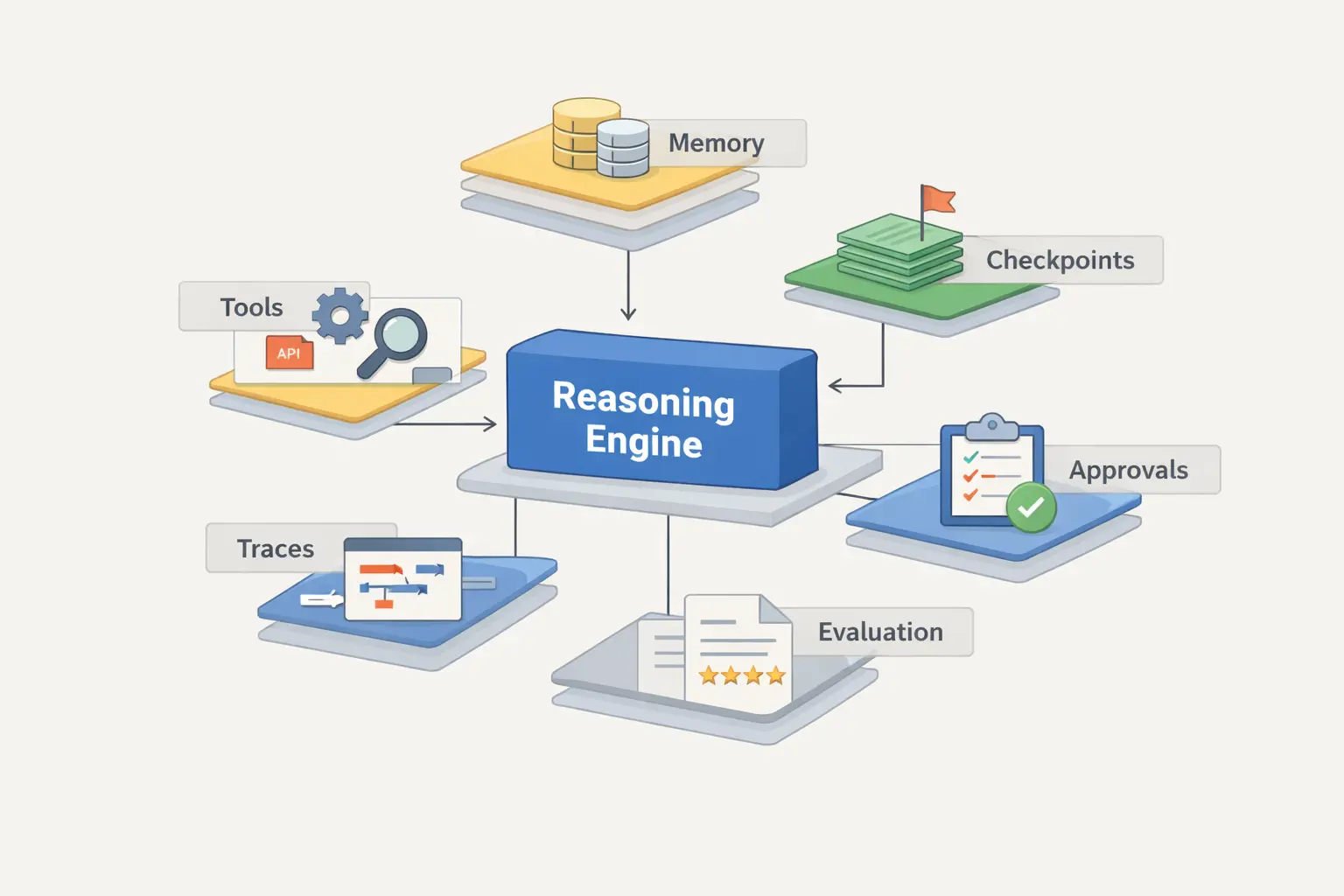
AI Assistant Development Cost in 2026: RAG Chatbots, CRM Integrations, Guardrails, and Support
A practical buyer guide to AI assistant development cost in 2026: prototypes, RAG chatbots, knowledge-base assistants, CRM and website integrations, guardrails, evaluations, monitoring, and support.
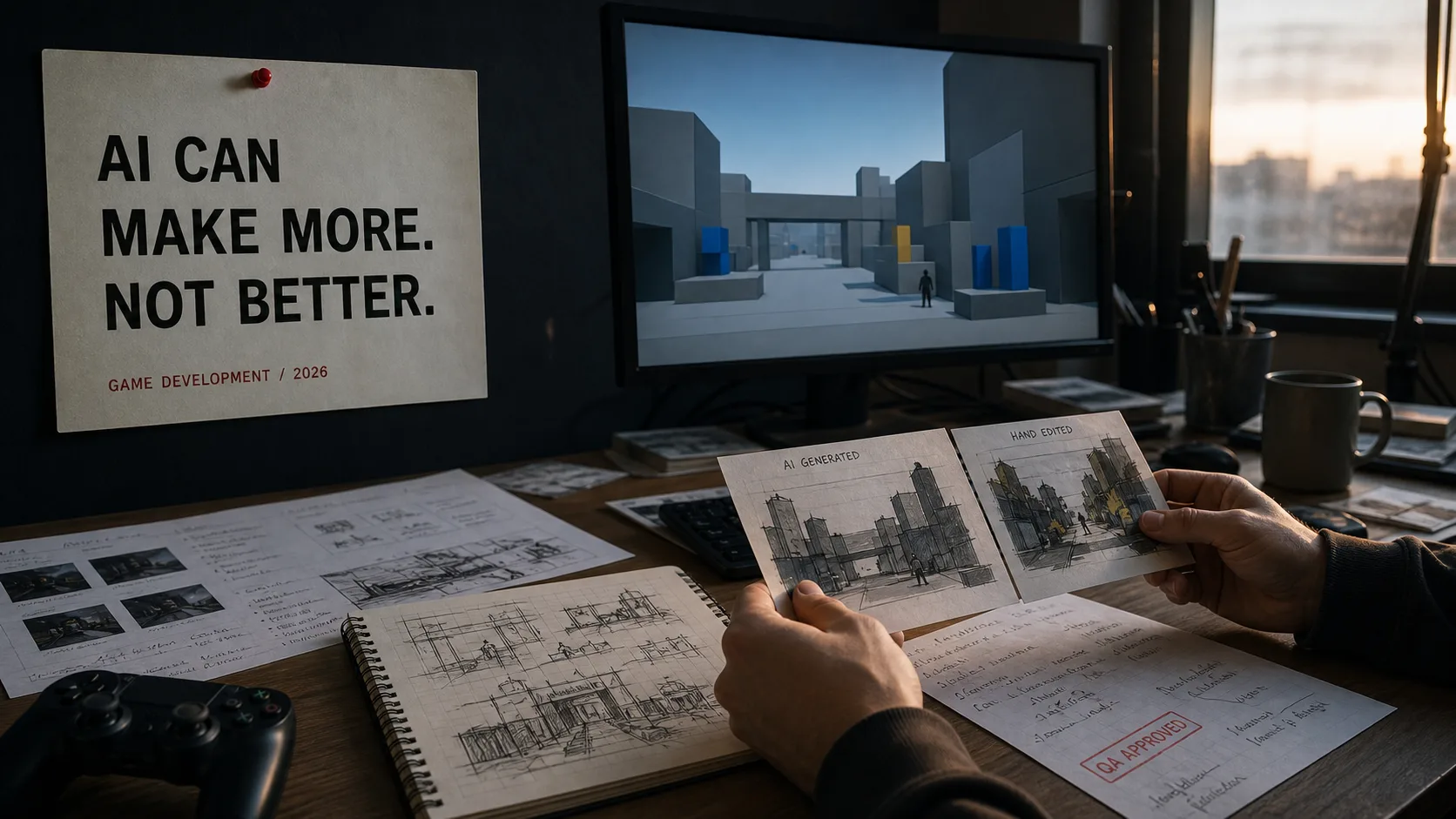
AI Can Make More. Not Better: What Game Development Research Actually Says
Generative AI is entering game production, but the evidence is more nuanced than the hype. We examine developer adoption, player reception, quality risks, and a practical production model for using AI without outsourcing taste.